
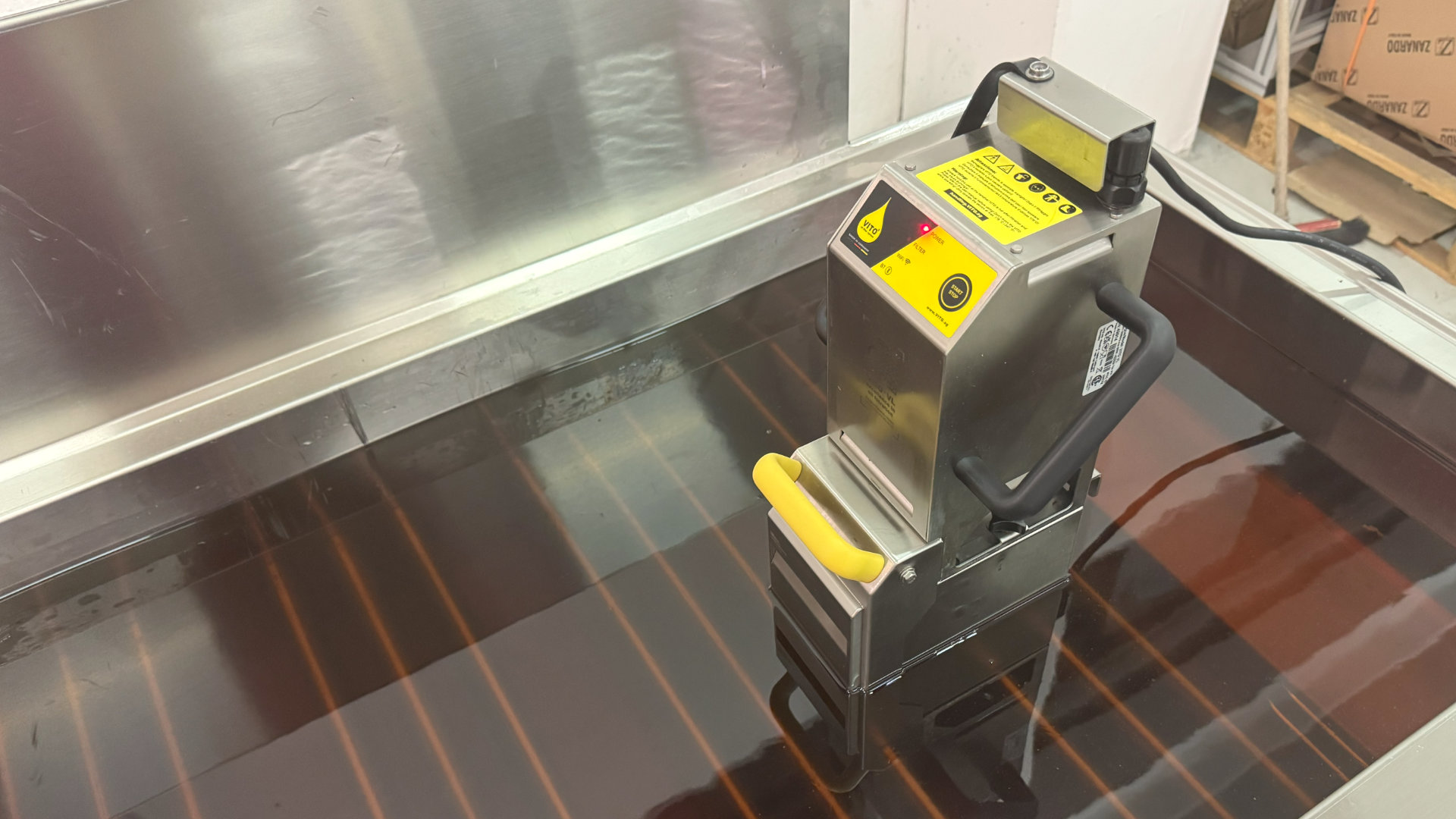
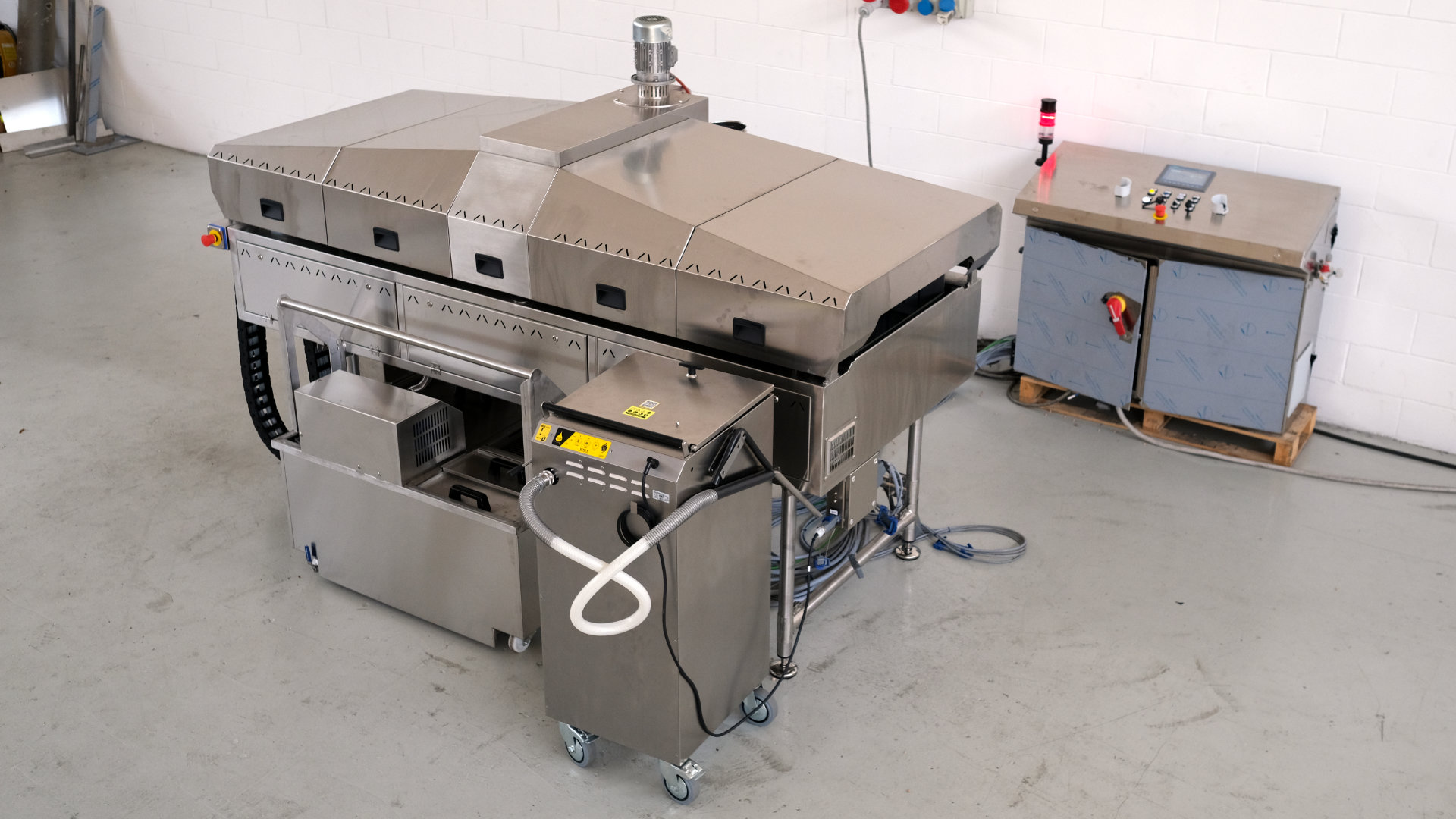
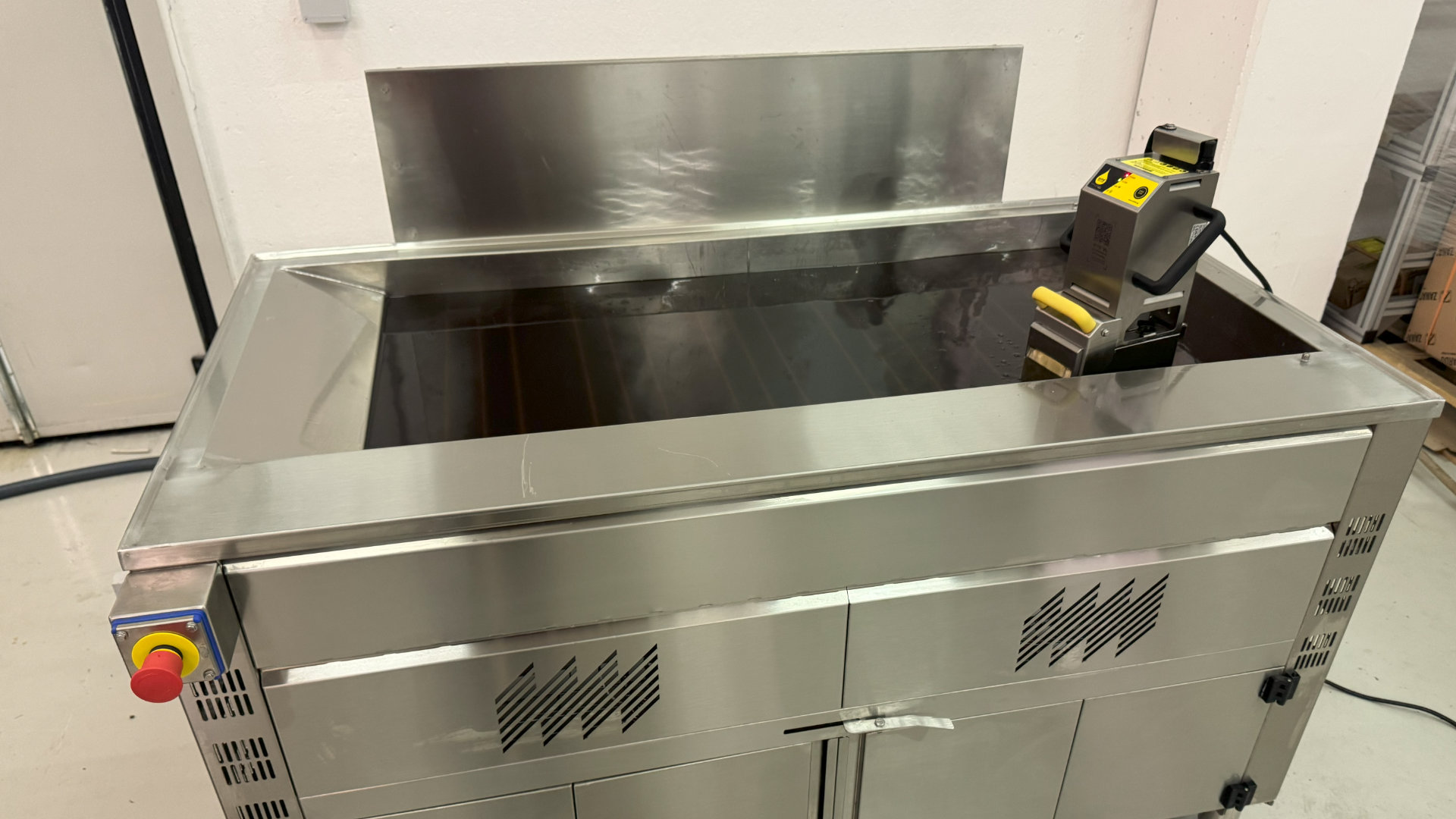
This article has been created thanks to the information provided by Vito Italia, a leading company in the production of oil filtration systems for frying. Their technology makes it possible to extend the life of the oil, reduce waste, and maintain high-quality standards, with significant savings on operational costs.
We integrate Vito filter systems into our machines and offer our customers effective solutions for optimal oil management. Regular oil filtration not only improves the quality of the final product but also ensures greater food safety and a more efficient frying process.
We thank Vito Italia for the valuable contribution and innovation it brings to the sector, helping companies optimize their operations without compromising on quality.
NOT ALL OILS ARE BORN FOR FRYING
How to choose the perfect oil for your frying while avoiding the most common mistakes?
Dario Bressanini
Researcher at the Department of Science and High Technology of the University of Insubria.The comment:
“Frying is the food preparation process that puts the most strain on the stability of the oil: if heated to high temperatures, it can undergo oxidation, from which harmful substances are formed. Too high a temperature or prolonged use of the same oil can make the effects of these reactions more marked.”
Frying is not just an art; it’s a science. When oil is heated, it undergoes chemical transformations that alter its properties, affecting the flavor, quality, and safety of the food.
If you want to offer crispy, light, and digestible fried food, you need to ensure that you:
The two fundamental criteria for choosing the right oil:
1) The Smoke Point: The Limit Not to Be Exceeded
The smoke point is the temperature above which the oil burns, producing smoke and harmful substances. An oil with a high smoke point is more stable and safer.
⚠ When oil exceeds the smoke point, it releases dangerous compounds such as:
• Acrolein – Irritating to the liver and stomach
• Acrylamide – Potentially carcinogenic substance
• Polycyclic aromatic hydrocarbons – Respiratory irritants, endocrine disruptors, or elements of known carcinogenicity.
The Smoke Point of the Main Oils:
| Palm | 210-230 °C |
|---|---|
| Olive oil | 220 °C |
| Peanuts oil | 180-220 °C |
| Corn oil | 160 °C |
| Soy oil | 130 °C |
| Sunflower oil | 140-160 °C |
2) The Composition of the Oil: The Perfect Mix of Fats
The stability of an oil depends on its content of saturated, monounsaturated, and polyunsaturated fats:
• More monounsaturated = More resistant and stable oil
• Too much saturated = Risk of toxic substances
• Too many polyunsaturated = Brittle oil, deteriorates faster
Percentage of Fatty Acids in Vegetable Oils
| Oil | Monounsaturated | Polyunsaturated | Saturated |
|---|---|---|---|
| Olive | 75% | 10% | 15% |
| Peanuts | 50% | 30% | 20% |
| Palm | 39% | 13% | 47% |
| Corn | 27% | 60% | 13% |
| Sunflower | 24% | 60% | 11% |
| Soy | 22% | 63% | 15% |
So, which oil is best to use?
Frying is a cooking technique loved all over the world, but to achieve a perfect and safe result, it is essential to choose the right oil and manage it correctly. Using an unsuitable oil or not replacing it at the right time can compromise not only the taste of food but also our health.
The best frying oil is one that meets two requirements at the same time: a high smoke point and a good balance of saturated and monounsaturated fats.
Recapping:
• Peanut oil: It has a high smoke point (about 230°C) and a neutral flavor, ideal for frying.
• High oleic sunflower oil: A variant with a higher smoke point than the classic sunflower, suitable for frying.
• Olive oil: It resists high temperatures well (smoke point 210°C), but its taste can alter that of food.
• Palm oil: Stable at high temperatures, but to be chosen carefully for its environmental impact.
Unless it is a thoughtful choice by an expert, oils with a low smoke point, such as classic sunflower oil, butter, or linseed oil, should be avoided.
Four Elements That Damage Your Oil
First
WaterCauses dangerous splashes and promotes oil degradation
Second
OxidationOil alters in contact with air and heat
Third
Dust and residuesBreading and burnt crumbs worsen the quality of fried food
Fourth
Light exposureExposes the oil to photo-oxidation processes, reducing its shelf life
Our Tips for Perfect Fried Food
Heat the oil and bring it to the optimal frying temperature (max 175°C). You can check the life of the oil using digital testers such as the Vito FT440.
If possible, fry dry products, ensuring that any ice or residue is shaken off. Using the sieve drum or other technology can help “prepare” the product before frying.
The combo and double drum flavorers are always installed after the fryer because food should never be salted or flavored before frying. This prevents the condiments from charring and degrading the quality of the oil.
Check the correct oil level. Be sure to fry in “deep oil” to ensure your food is cooked evenly.
The heating systems of our fryers are designed to transmit a maximum of 2W/cm² of thermal power to the oil, and the tank is sized to have an adequate oil “tank” to limit phenomena that degrade the oil. By choosing automatic frying lines, the oil levels are managed directly by the software, so you never get the quantities wrong.
All our belt fryers have an oil handling system to even out the temperature inside the tank.
To improve the quality of your fried foods, try not to overload the belt frying line or the basket of the manual fryer.
Look at the license plate of the car and, if possible, keep an aspect ratio of 1:10.
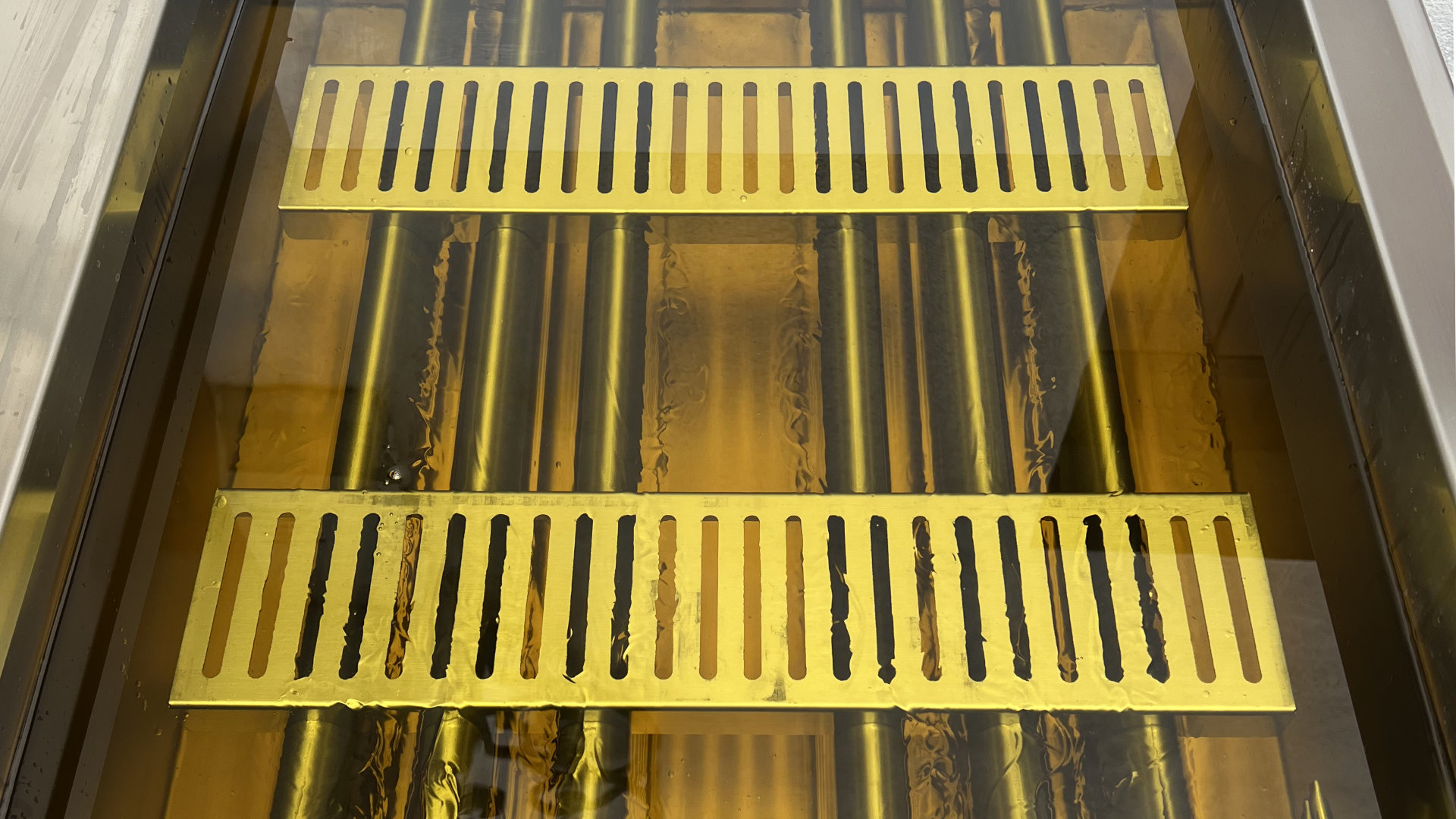
If you are using a basket fryer, regularly remove the residues inside the tank to avoid charring.
Veneto Macchine’s semi-automatic and automatic fryers expel the coarsest residues thanks to the belts they are equipped with. In addition, our fryers can be equipped with automatic waste recovery systems to automate this task as much as possible.
The oil must be protected from light to prevent oxidation, which produces a substance harmful to the liver and irritating to the gastric mucous membranes (Acrolein). If you’re not frying, but your shift isn’t over yet, lower the oil temperature to 120°C.
All Veneto Macchine fryers have cover and temperature management devices. Semi-automatic and automatic fryers work with the tank covers applied to avoid exposing the oil to direct light. With the covers applied, the extraction of fumes can be automatically managed to improve the propagation of odors and vapors.
Filter after each service to remove contaminants such as: breading, batters, crumbs, seasonings, etc.
These impurities dirty the oil and shorten its useful life.
Vito devices are integrated into our systems, and the management of the machine’s filtering process is regulated by the PLC inside the automatic frying line.
Fill out the HACCP card daily to record filters, oil changes, oil temperature, and TPM values to ensure compliance with the limits imposed by law.
The automatic lines have numerous sensors, and many processes are carried out autonomously. If necessary, almost all required data can be provided automatically to the customer and saved on the server directly from the machine.
Contact us